Meet the Curiosity in Action year 1 partnerships!

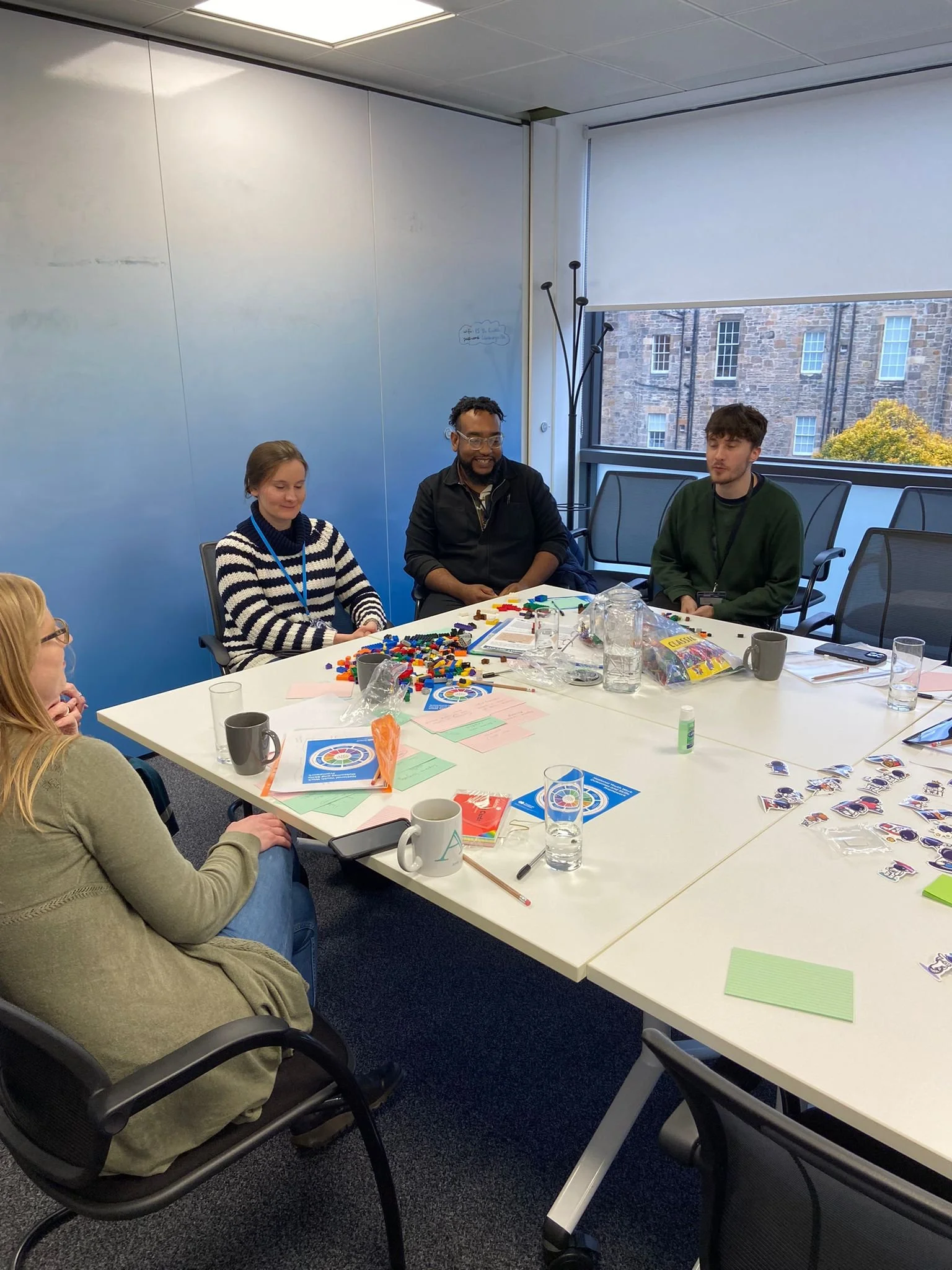
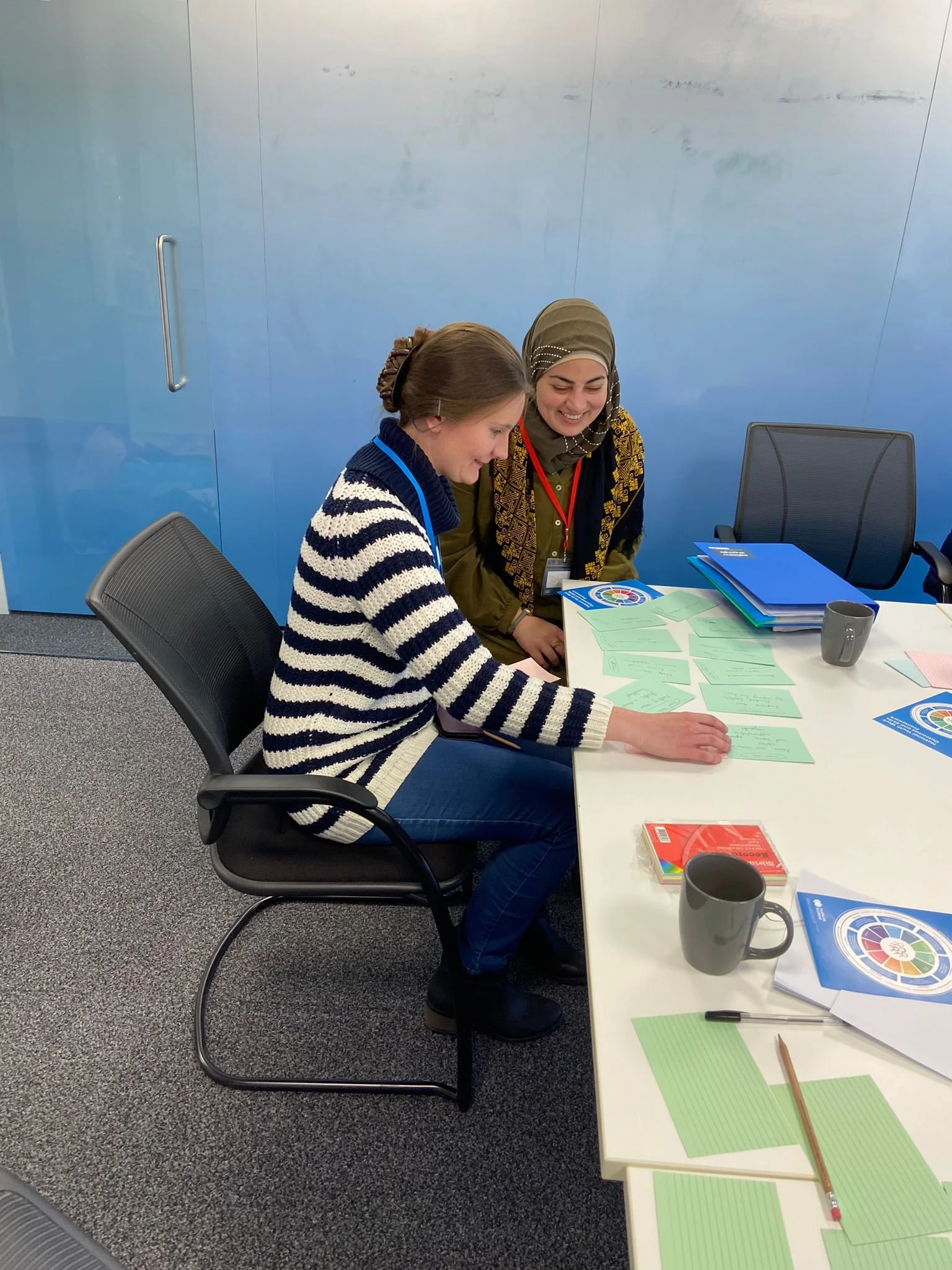
In November, the partnerships at the centre of the first year of the Curiosity in Action programme met in person at the YouthLink Scotland office. Youth workers and scientists gathered around a table for a jam-packed day of introductions, insights on their differences and similarities in skills and perspectives, trialling STEM and youth work activities and setting expectations for the upcoming programme.
The partnerships involved are:
Stuart Mitchell and Rachael Alexander with Auchinleck Community Development Initiative and Juliano Morimoto, Charles Wang and Sophie Laurie based at the University of Aberdeen
Ainsley Carnarvon with Hearts of Midlothian FC Innovation Centre and Jacob Allitt based at Heriot-Watt University
Diline Abushaban with Multicultural Family Base and Clara Pennock and Alison Young based at the Royal Observatory Edinburgh
Kieran McPhail and Jordan McDonald with Paisley YMCA and David Boldrin based at the University of Glasgow
Pauline Mathers with Ormlie Community Association and Ruth MacKay based at the University of Aberdeen
While the use of STEM in influencing young people’s study and career choices has been important, Science Ceilidh’s previous experience with schools and youth work including the Children in Need and Wellcome funded Curiosity Programme has left us enthusiastic about the potential for STEM to build on different, social outcomes, such as resilience, communication skills, teamwork, and wellbeing. What better way to explore this than to connect youth workers and scientists, allowing them to use their expertise to develop activities suited to their youth groups, investigate the outcomes they want to explore, and regularly come together to discuss any findings and share reflections. This is the core of Curiosity in Action’s method of action research.
This was the first of these Action Research meetings to start building relationships between the youth workers and scientists and prepare for the programme ahead.
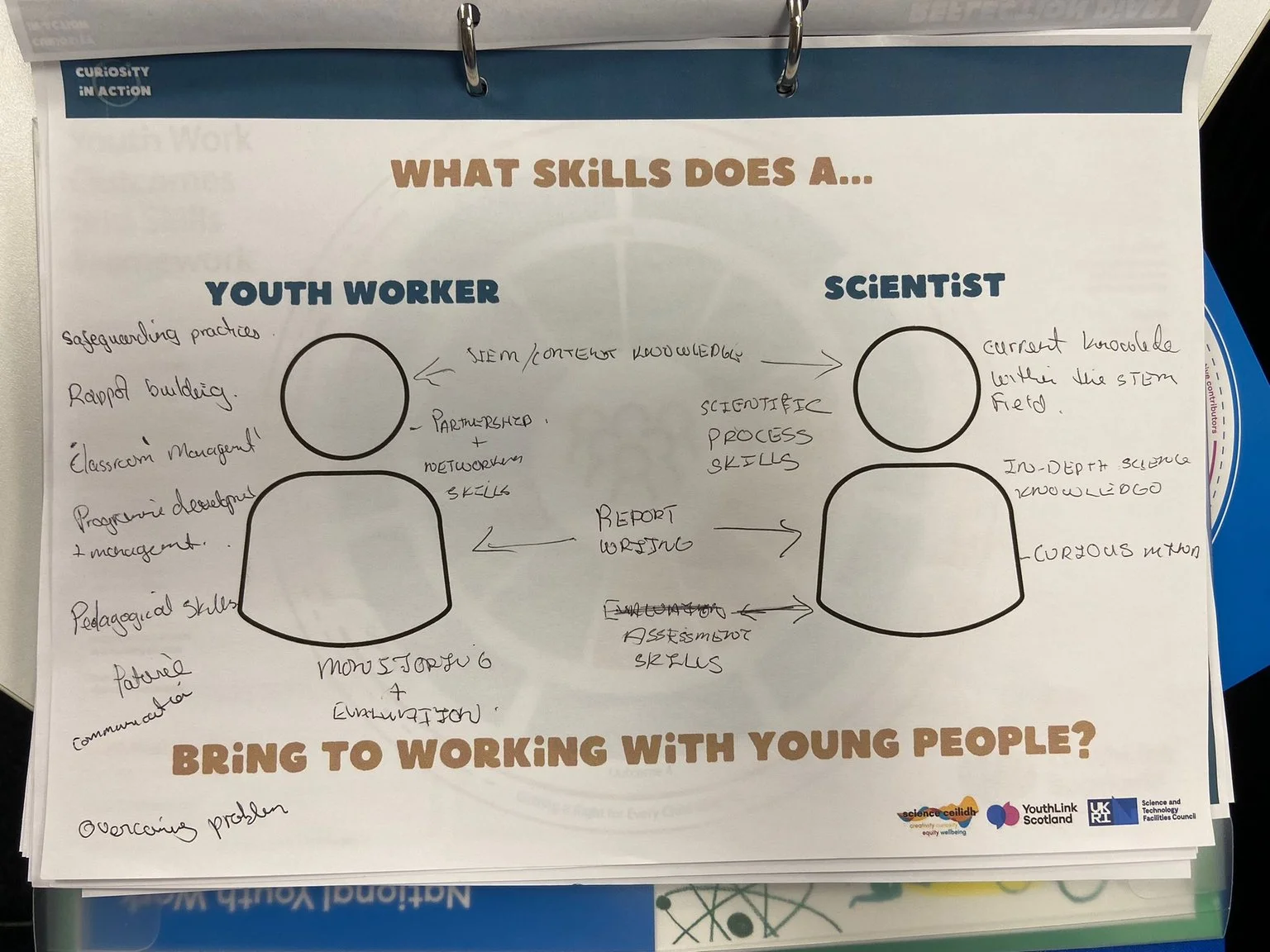
We spent the morning reflecting on the impact everyone would like to make with the programme and the skills they would like to develop. This already led to some unexpected insights. It came as a surprise to the youth workers that scientists highlighted patience as a skill youth workers already have. As Ainsley reflected, patience was so inherent to youth workers’ daily work that they weren’t even conscious this was seen as so valuable. We also came across a few words that mean different things to different people: Kieran and Jordan mentioned how they saw “creativity” mostly as arts and crafts, but talking to David highlighted a different meaning of creativity as “looking at a problem in different ways and finding unexpected solutions.” Similar discussions took place throughout the day about words like “outcome”, “impact” and “ethics”.
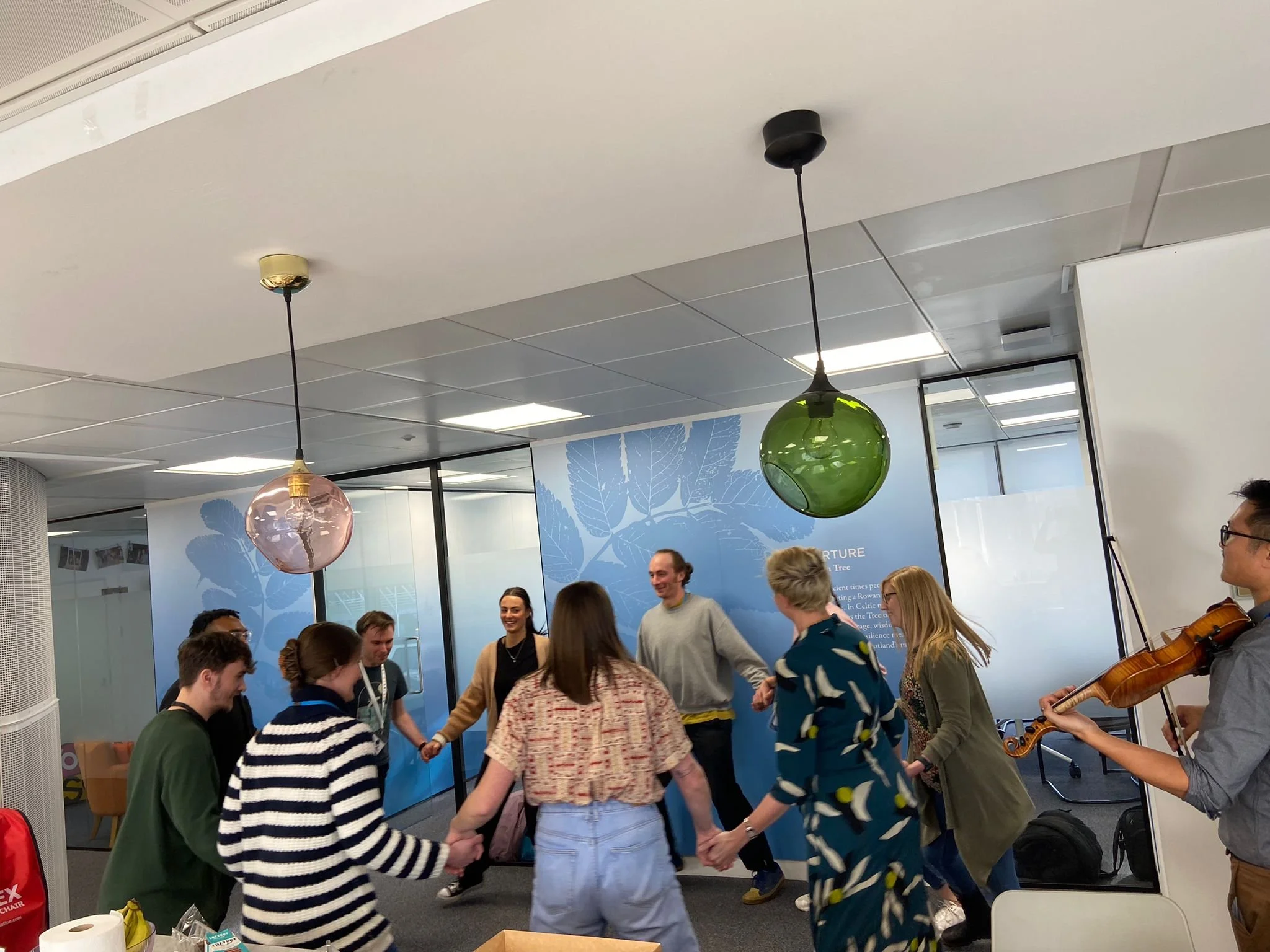
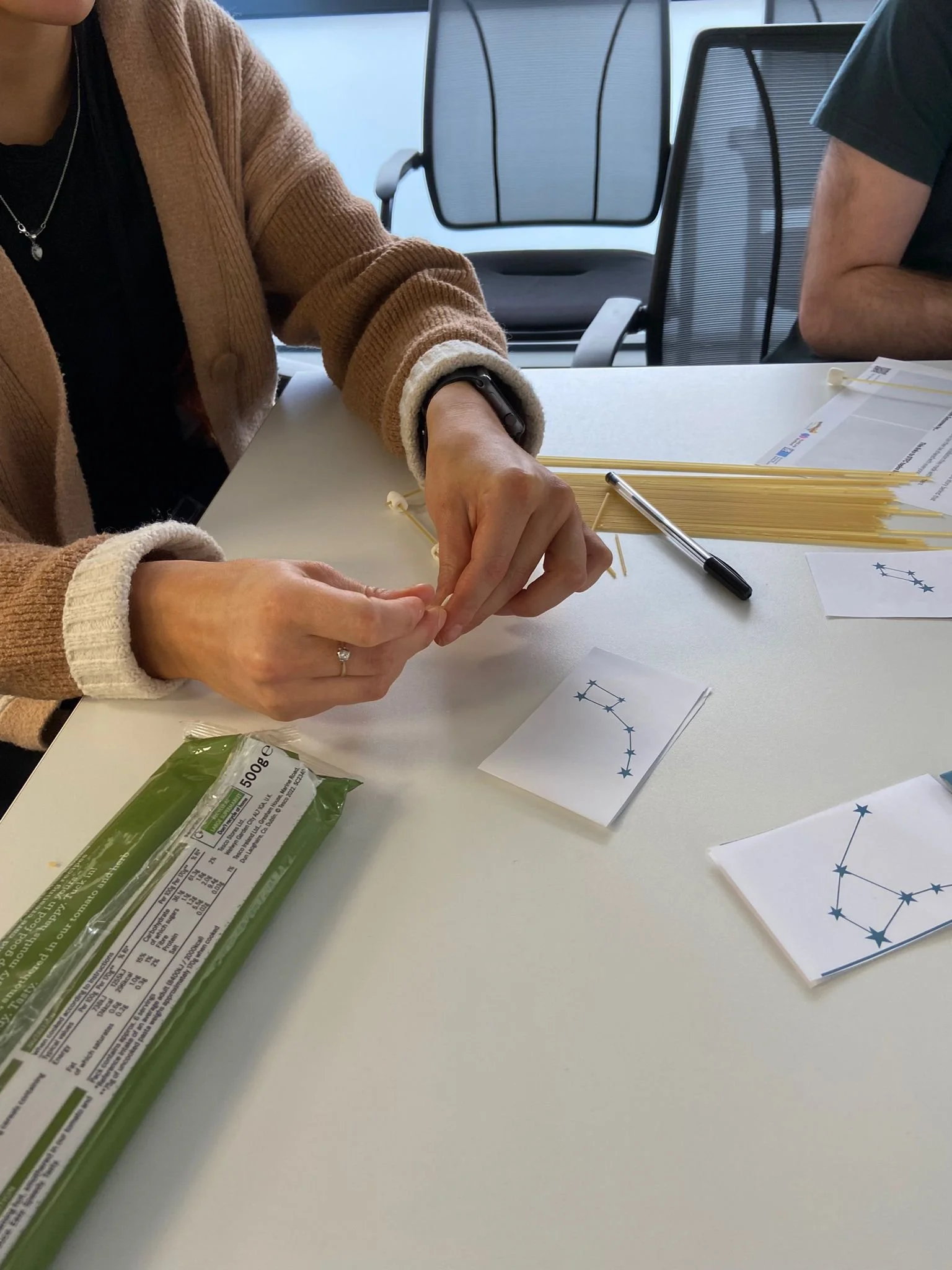
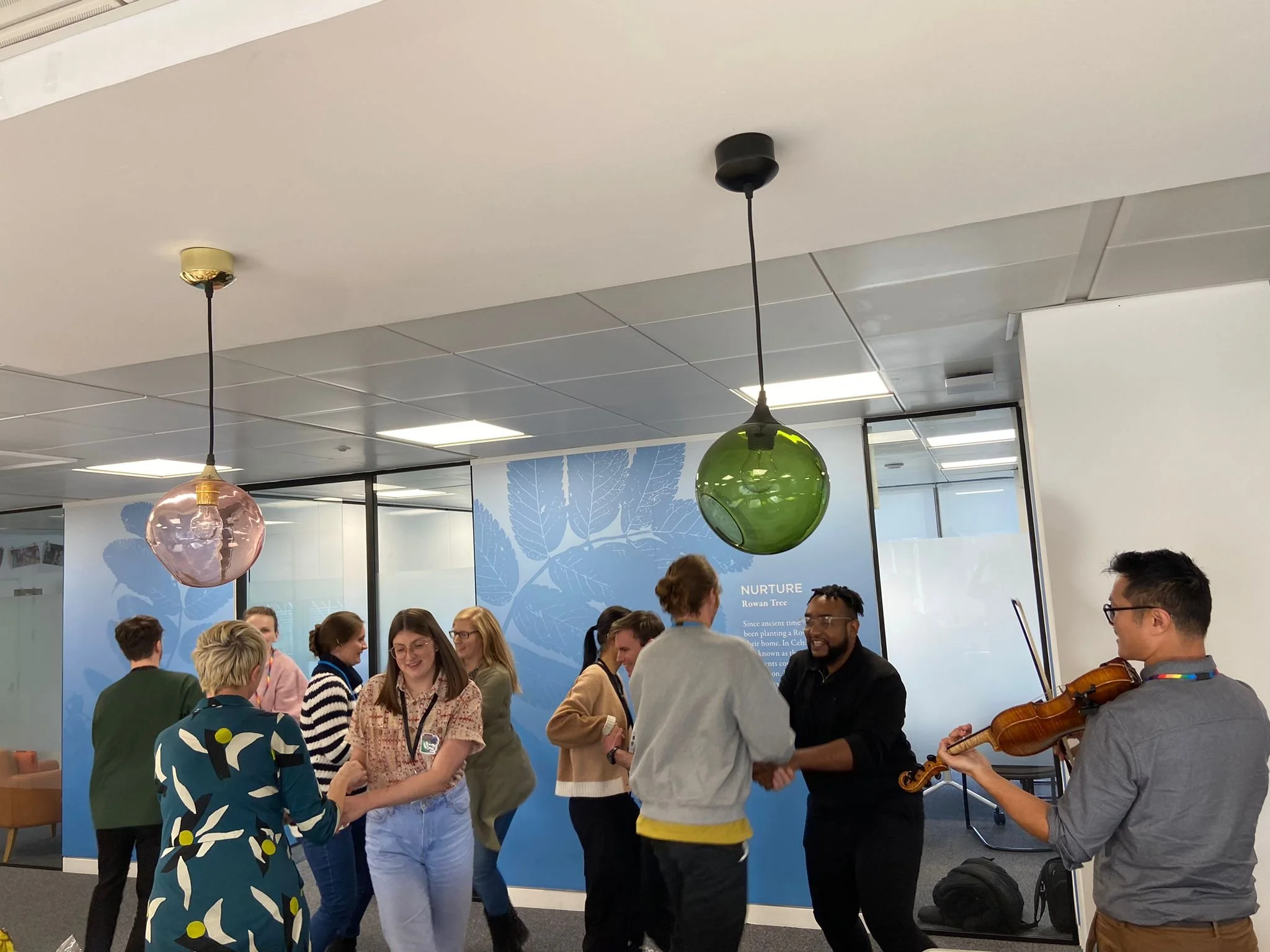
In true Science Ceilidh fashion, lunch was followed by a space-themed ceilidh to energise everyone and start the conversation about how activities can combine both science and youthwork outcomes. In the afternoon this discussion continued as everyone was split into groups to try out several activities and draw out the STEM and/or youthwork focus, from making a microwave cake and creating zines, to building constellations out of marshmallows and touching real meteorites. All the activities sparked ideas about how they could relate to social outcomes like building teamwork and resilience as well as how they could relate to Science Technology Facilities Council (STFC) related research as well as wider science, from seeing the constellations to the chemistry involved in baking. This not only gave everyone inspiration for their own upcoming sessions and highlighted the adaptability of activities, but also showed in practice how scientists and youth workers both have expertise and perspectives to bring to the table. You can download this resource of activities we trialled together on the day and reflect on how they link with your organisations' outcomes or to try them out with your own youth groups!
Finally, after a day of introductions, fun and reflections, the last few hours were spent within the partnerships to set mutual goals and expectations for the programme going forward. This included developing a partnership agreement around the different responsibilities, discussion of logistics like distance, time and budget as well as setting shared priorities that could be referred back to throughout the programme. We left the YouthLink office feeling a sense of enthusiastic anticipation of how the partnerships’ first few sessions would plan out and with heads full of insights and learning that was already taking place.