Education and Youth work
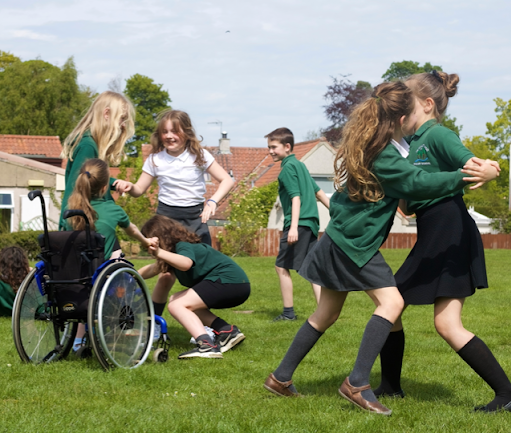
Science Ceilidh supports educators and young people in a variety of ways such as delivering professional development sessions and creating free teaching and learning resources. We also deliver school workshops exploring science and creativity and host masters students on placement from University of Edinburgh and University of St. Andrews.
We focus our workshops, resources and training upon creativity, science, movement, music and art. Naturally, you’ll find ceilidh music and dance is an optional element of much of our programming and resources as well!
Learn more about how we support schools, educators, learners and young people below.
Education and Youth Work Projects and Programmes
Explore our some of our key programmes and projects below!
DEAR GREEN PLACE
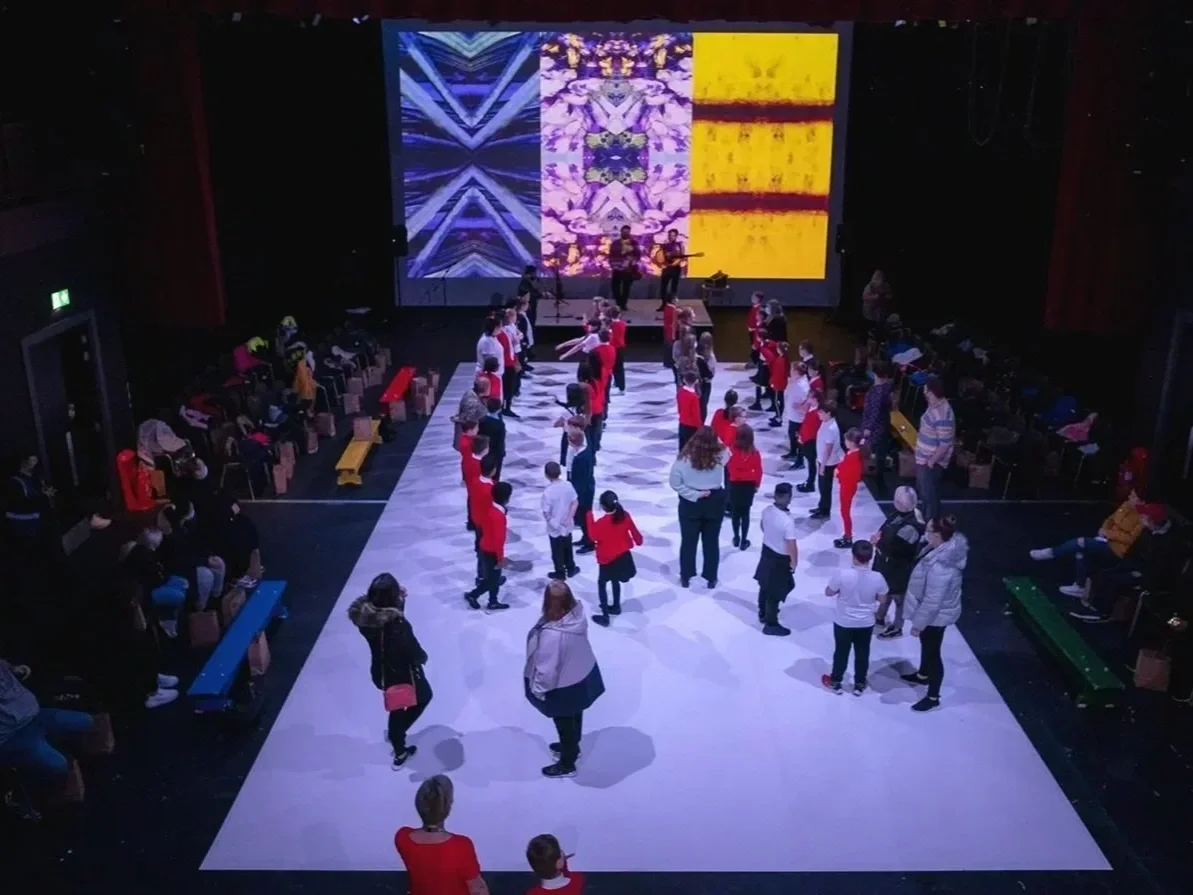
How can we explore how climate change affects us locally through creativity? Our Dear Green Place school programme and resource aimed to do this through working with two schools in Easterhouse. This involved a series of weekly workshops followed by each school hosting a climate change ceilidh to share their learning with friends and family at the end of the programme.
Dear Green Place was a creative programme of workshops, performances and events across northeast Glasgow during COP26, designed to encourage people of all ages to come together, enjoy quality arts experiences, and think about the climate.
gravitational waves
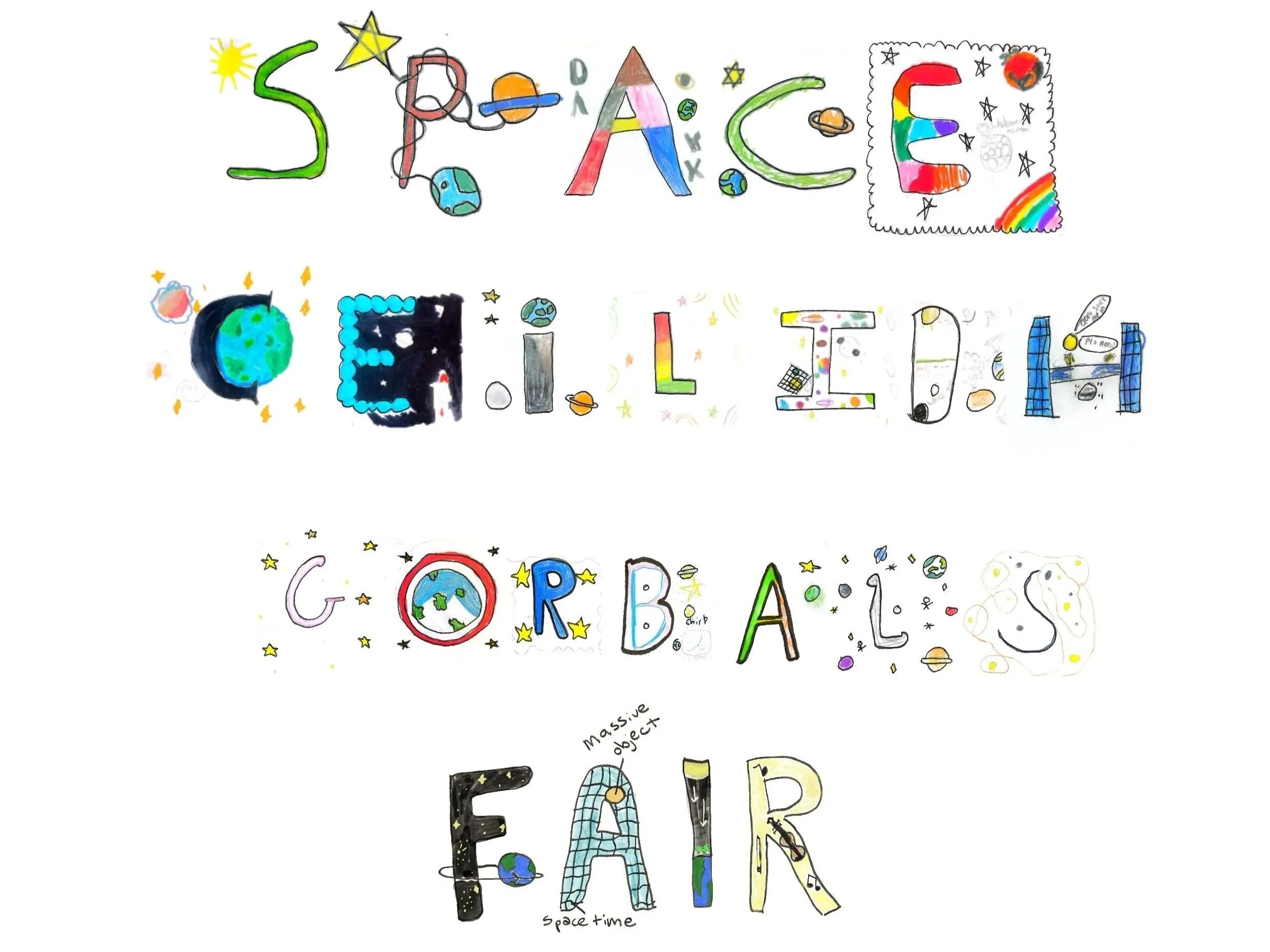
A collaboration between a class of P6 learners at Blackfriars Primary, space scientists from University of Glasgow and Science Ceilidh exploring space science and gravitational waves through movement and play.
Through our interdisciplinary project with P6 learners at Blackfriars Primary School, young people are exploring gravitational waves through embodied learning, using Scottish ceilidh and cross-cultural dance traditions to decode complex ideas about spacetime.
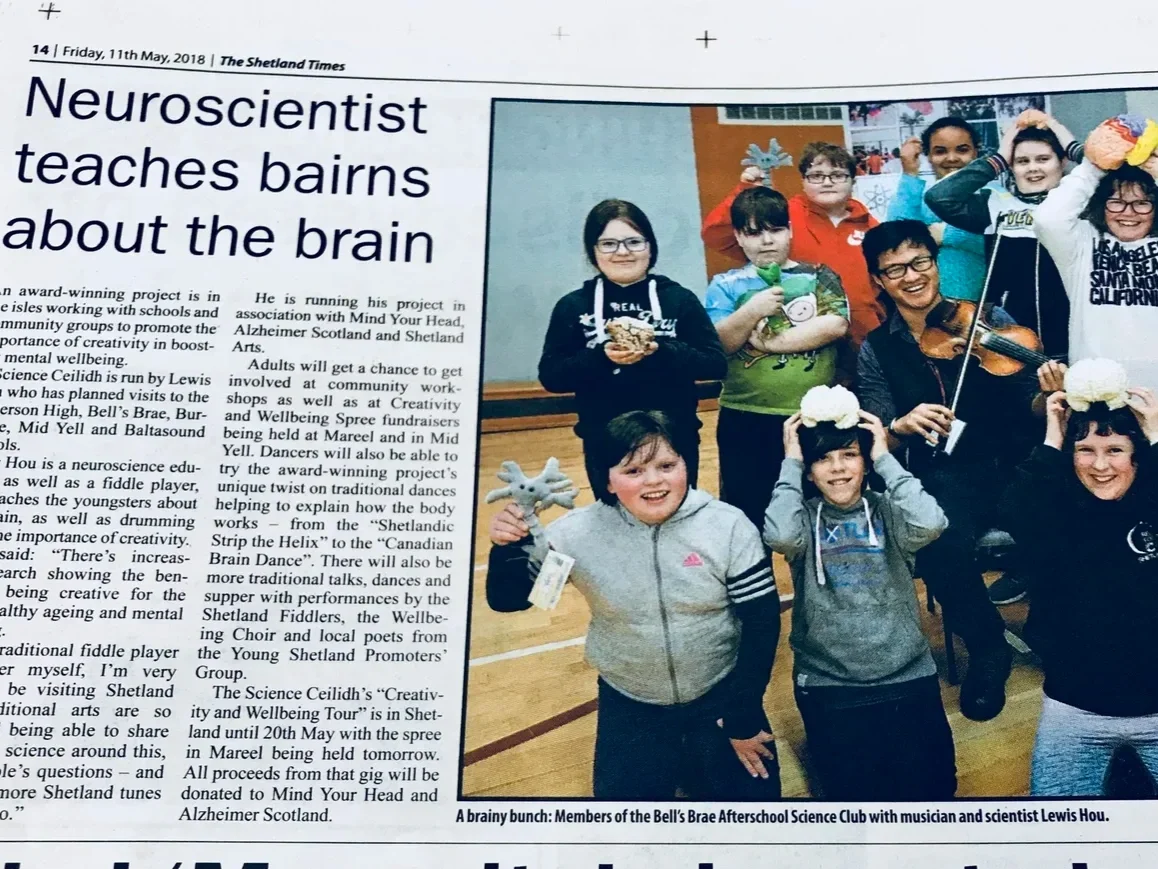
Whole school - community engagement shetland
Our school programme explored how the brain worked, the neuroscience of music and creativity, including research of how learning to play an instrument can change the brain and the importance of learning new skills throughout your life for healthy ageing.
We had the opportunity to develop new creative responses to what we learned, and performed these at the Mareel and the Burravoe Relay for Life fundraiser to community members and parents!
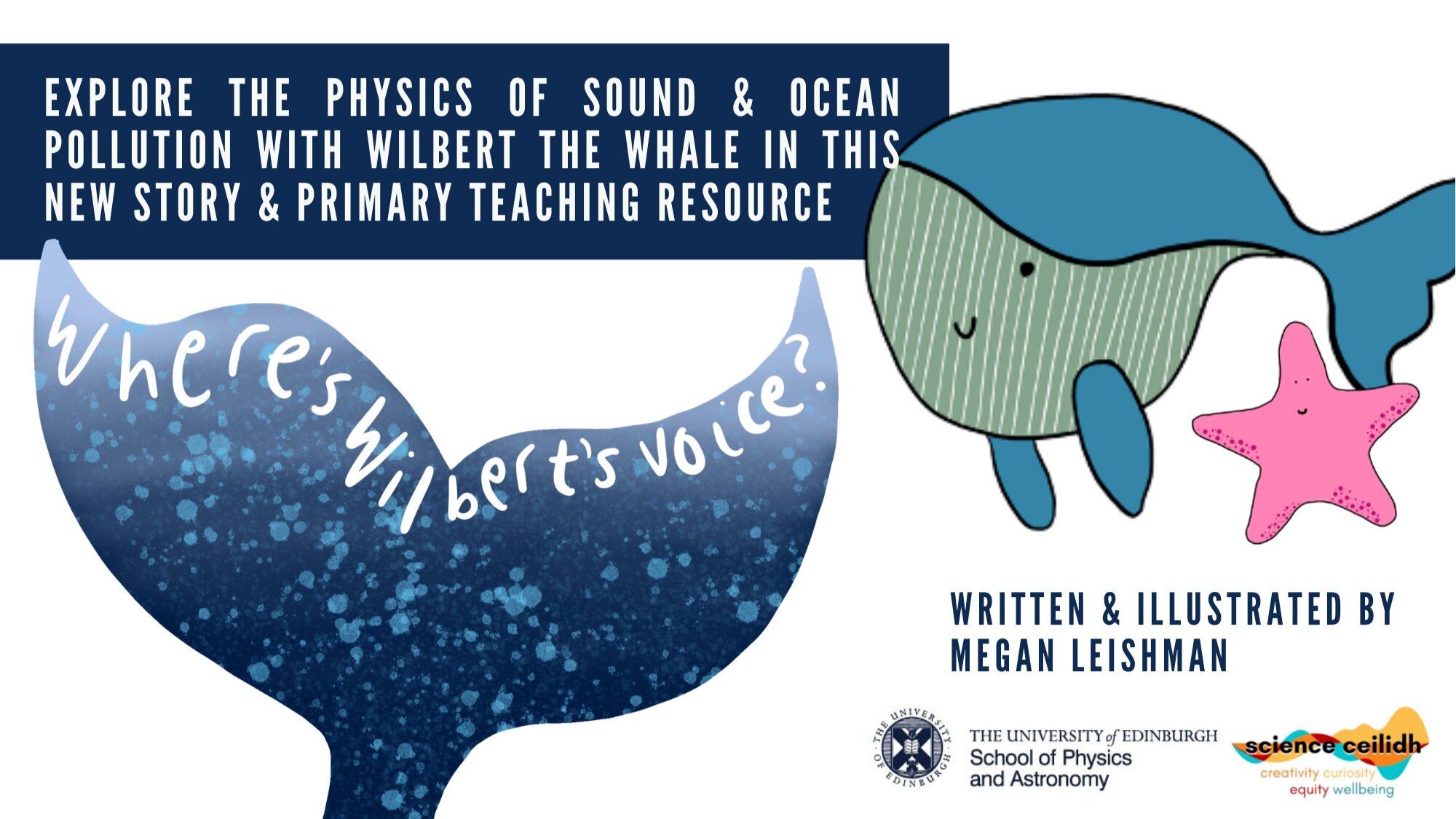
featured RESOURCE: Wilbert the whale
Where's Wilbert's Voice is an interdisciplinary resource for 1st/2nd level Curriculum for Excellence learners. It aims to show learners that physics and music are not so far apart as they may initially seem to be.
It tells the story of a whale, Wilbert, as he loses his voice and alongside his mother travels around the underwater neighbourhood to find it. Along the way Wilbert gets help from lots of different animals who each teach him about how a different instrument makes noise. There are also discussions of ocean pollution in the story, through rubbish and noise.
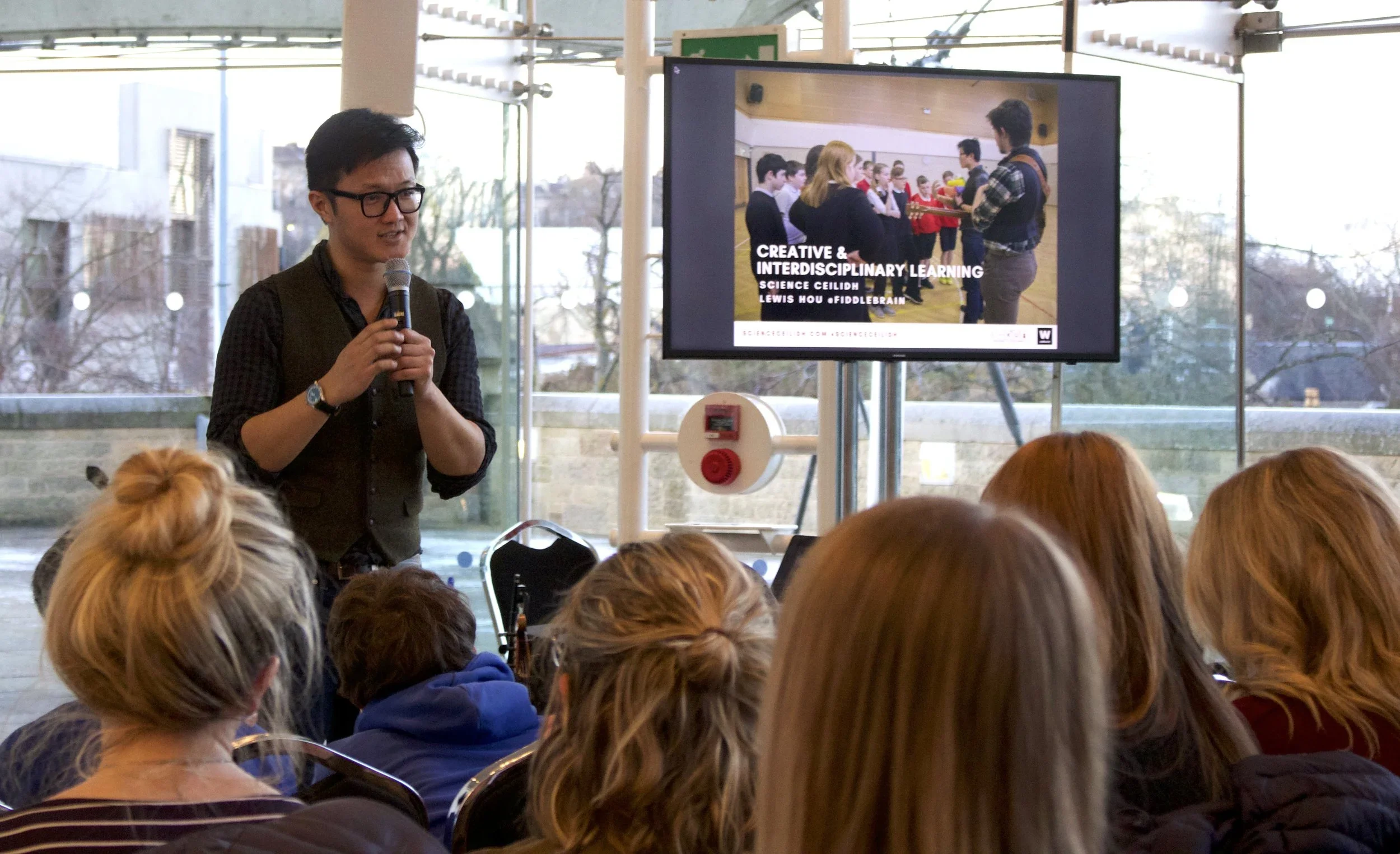
featured training: CLPL/CPD Training
Our educator training sessions include:
1) Interdisciplinary Activities: Sharing different hands-on activities linking science, music and arts creatively, relevant in formal and informal education contexts and also sharing our experience in diverse community, youth and additional support need settings.
2) Interdisciplinary Strategies: Sharing and putting into practice our approach of exploring STEM, health and wellbeing through movement, traditional dance and expressive arts.
3) Interdisciplinary Understanding: Exploring questions on the research around the science of learning, creativity and health and wellbeing (particularly from a neuroscience perspective) to have better understanding of this in practice.
We will also provide take-away resources building on both of these components with further examples, support and reading, and have some active reflection encouraging teachers to plan how they might be able to embed these strategies and understandings into practice in their schools. Get in touch if you’re interested in finding out more about training offer.
Other programmes and resources
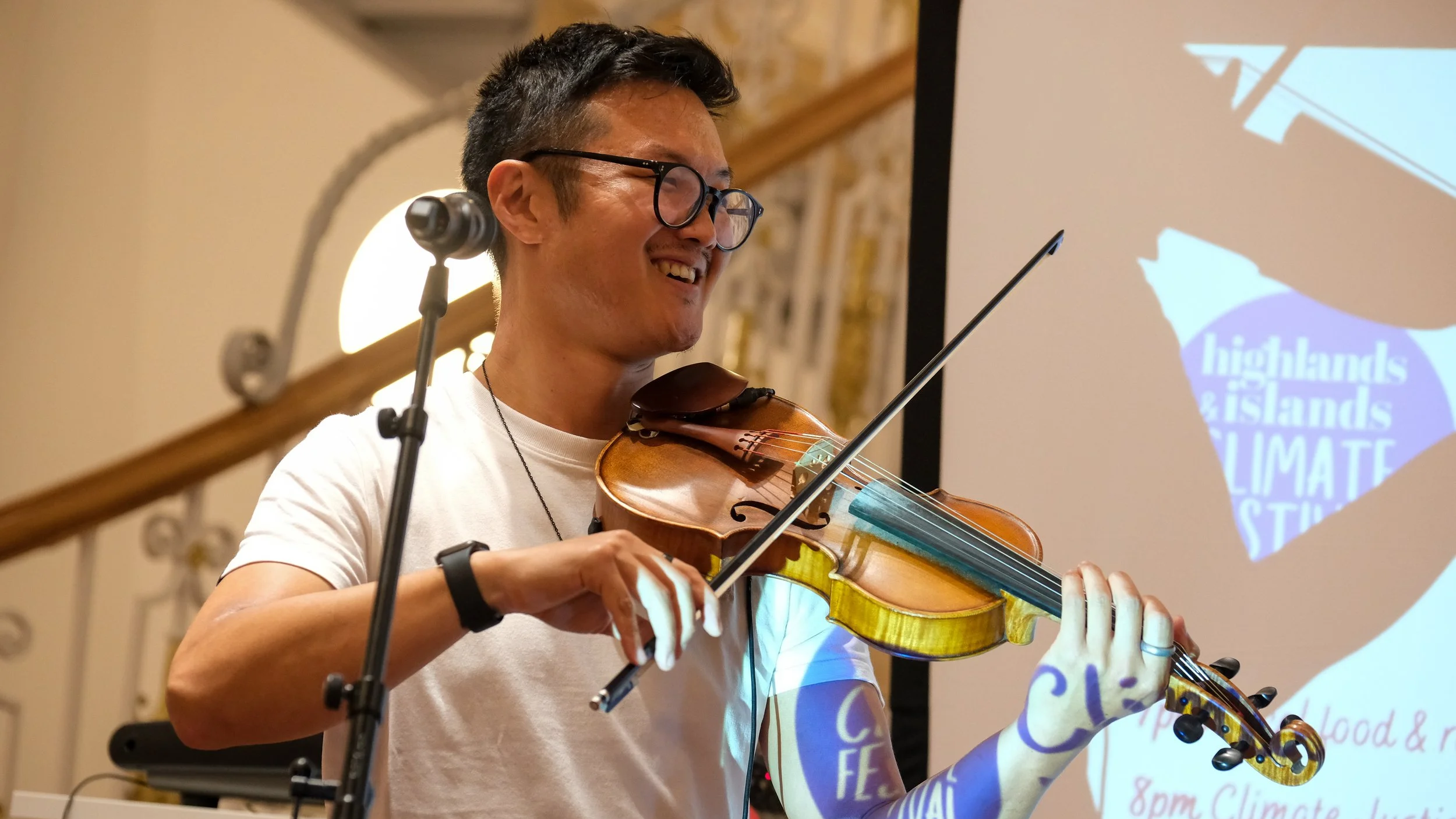
DIY ORchestra
Ready to make a big sound as part of our Science Ceilidh DIY Orchestra with lollypop kazoos, slinky lasers and boomwhacker pipe band? During this programme, we explored how to make folk, pop & sci-fi inspired music together - from the composition, physics of sound, how music is good for our health and wellbeing and the instruments themselves!
Format developed with Youth Music Initiative East Lothian and activities can be adapted especially for early years groups and drop-in activities.
MUSE
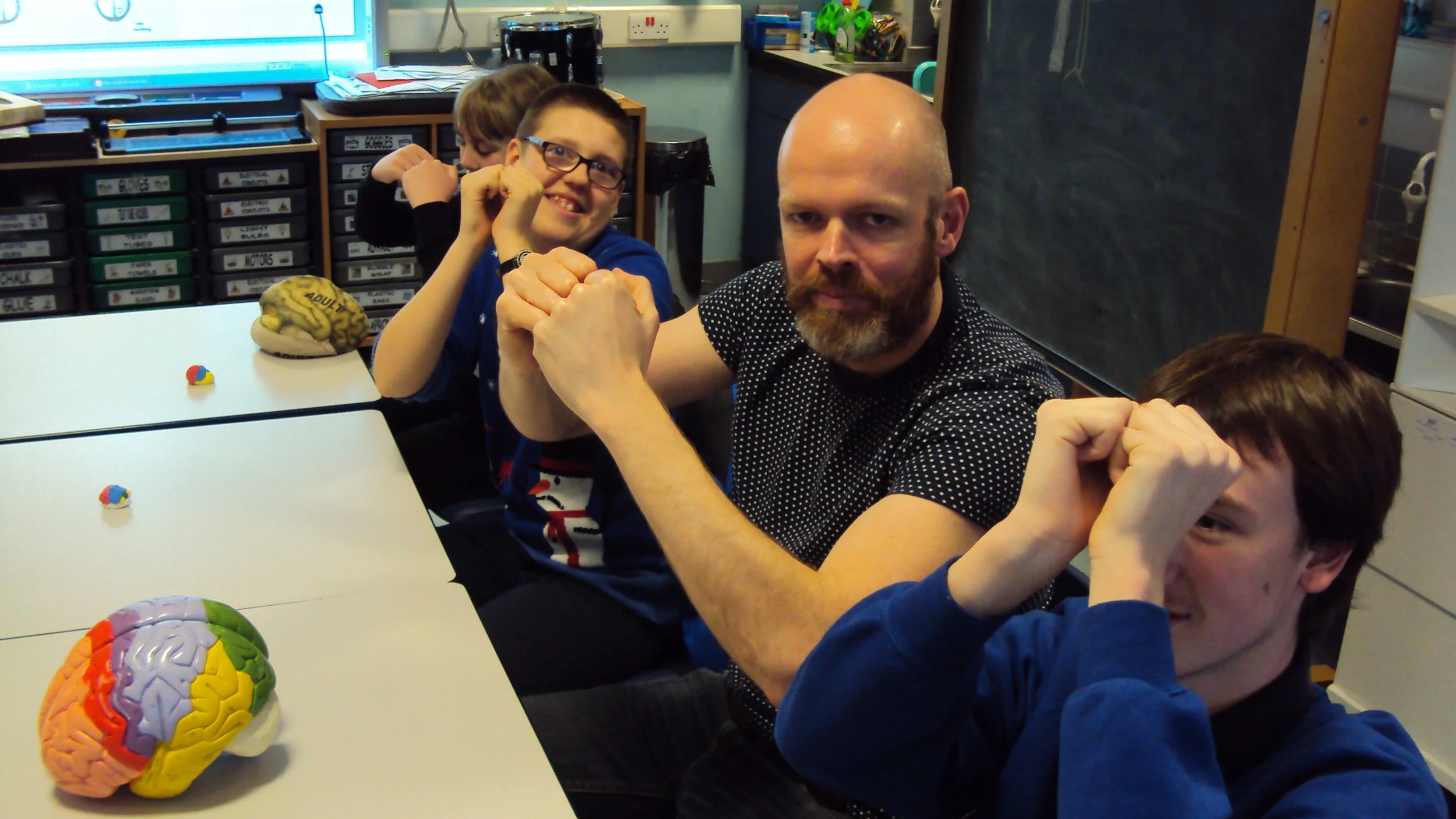
This programme was a long-term partnership with Midlothian Science Festival which developed activities working with learners with additional support needs in collaboration with Saltersgate School (Dalkeith) and Beeslack Disabled Club.
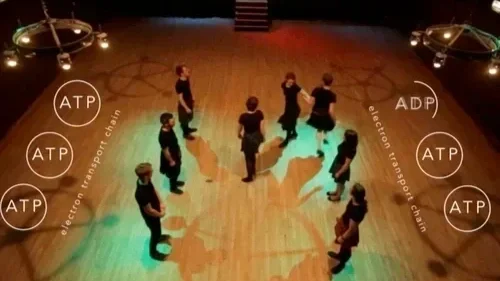
Strip the leaf ceilidh dance - biology resource
A dance about the Light-Dependent Stage of Photosynthesis written with PhD Student Jessica Walker from the University of Edinburgh School of Chemistry.
Access teacher and learner resources here!